
Introduction
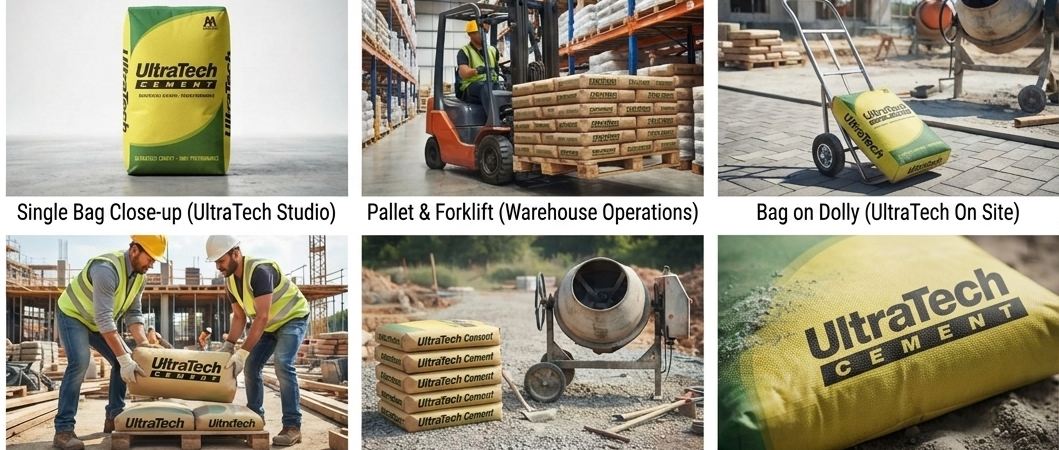
Cement is one of the most important construction materials used in buildings, bridges, roads, dams, and other infrastructure projects. Different types of cement are designed for specific construction requirements. Choosing the correct cement improves strength, durability, and overall performance of a structure.
In this article, we will explore the major types of cement used in construction and their applications.
What is Cement?
Cement is a binding material that hardens after mixing with water and binds sand, aggregates, and other materials together to form concrete or mortar.
Major Types of Cement and Their Uses
1. Ordinary Portland Cement (OPC)
Ordinary Portland Cement is the most widely used cement in construction.
Uses:
- Residential buildings
- Commercial structures
- Concrete roads
- Bridges
- General construction works
Advantages:
- High strength
- Easily available
- Cost-effective
2. Portland Pozzolana Cement (PPC)
PPC is manufactured by blending Portland cement clinker with pozzolanic materials such as fly ash.
Uses:
- Residential construction
- Plastering works
- Masonry works
- Marine structures
- Mass concrete works
Advantages:
- Better durability
- Reduced heat of hydration
- Improved resistance to chemical attack
3. Portland Slag Cement (PSC)
PSC contains blast furnace slag along with clinker and gypsum.
Uses:
- Coastal construction
- Marine structures
- Sewage treatment plants
- Industrial buildings
Advantages:
- Excellent durability
- High resistance to sulphates and chlorides
- Environment-friendly
4. Rapid Hardening Cement
This cement gains strength faster than OPC.
Uses:
- Road repairs
- Precast concrete works
- Urgent construction projects
Advantages:
- Faster strength development
- Reduced construction time
5. Low Heat Cement
Low Heat Cement produces less heat during hydration.
Uses:
- Dams
- Large raft foundations
- Massive concrete structures
Advantages:
- Reduces thermal cracking
- Suitable for large concrete pours
6. Sulphate Resisting Cement
This cement is specially designed to resist sulphate attacks.
Uses:
- Marine construction
- Sewage systems
- Foundations in sulphate-rich soils
Advantages:
- Increased durability
- Protection against chemical deterioration
7. White Cement
White Cement is manufactured using raw materials with low iron content.
Uses:
- Decorative works
- Architectural finishes
- Tile grouting
- Wall putty manufacturing
Advantages:
- Attractive appearance
- Smooth finish
8. Quick Setting Cement
Quick Setting Cement sets rapidly after mixing with water.
Uses:
- Underwater construction
- Emergency repair works
- Cold weather concreting
Advantages:
- Quick setting time
- Suitable for urgent repairs
9. Hydrophobic Cement
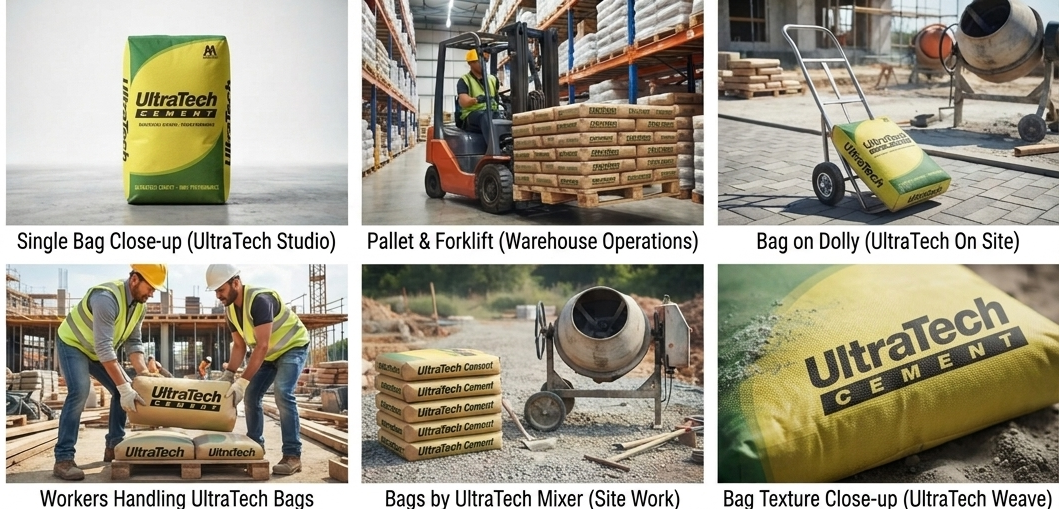
Hydrophobic Cement contains additives that repel moisture.
Uses:
- Storage in humid climates
- Remote construction sites
Advantages:
- Better storage life
- Reduced moisture absorption
Comparison of Common Cement Types
| Cement Type | Best Use |
|---|---|
| OPC | General Construction |
| PPC | Residential Buildings |
| PSC | Coastal Areas |
| Rapid Hardening Cement | Fast-track Projects |
| Low Heat Cement | Dams and Large Foundations |
| Sulphate Resisting Cement | Marine Structures |
| White Cement | Decorative Works |
| Quick Setting Cement | Emergency Repairs |
| Hydrophobic Cement | Humid Regions |
How to Choose the Right Cement?
Consider the following factors:
- Type of structure
- Environmental conditions
- Strength requirements
- Project budget
- Construction timeline
- Exposure to chemicals or seawater
📥 Free Download: Types of Cement and Uses PDF Guide
Conclusion
Selecting the correct type of cement is essential for achieving durability, strength, and long-term performance. While OPC and PPC are commonly used for residential construction, specialized projects may require PSC, Sulphate Resisting Cement, or Low Heat Cement. Understanding the properties and applications of each cement type helps engineers and builders make informed decisions.